New Customers Sepcial: Get 15% off, use the code "NEW15" at checkout. Shop Now!
New Customers Sepcial: Get 15% off, use the code "NEW15" at checkout. Shop Now!

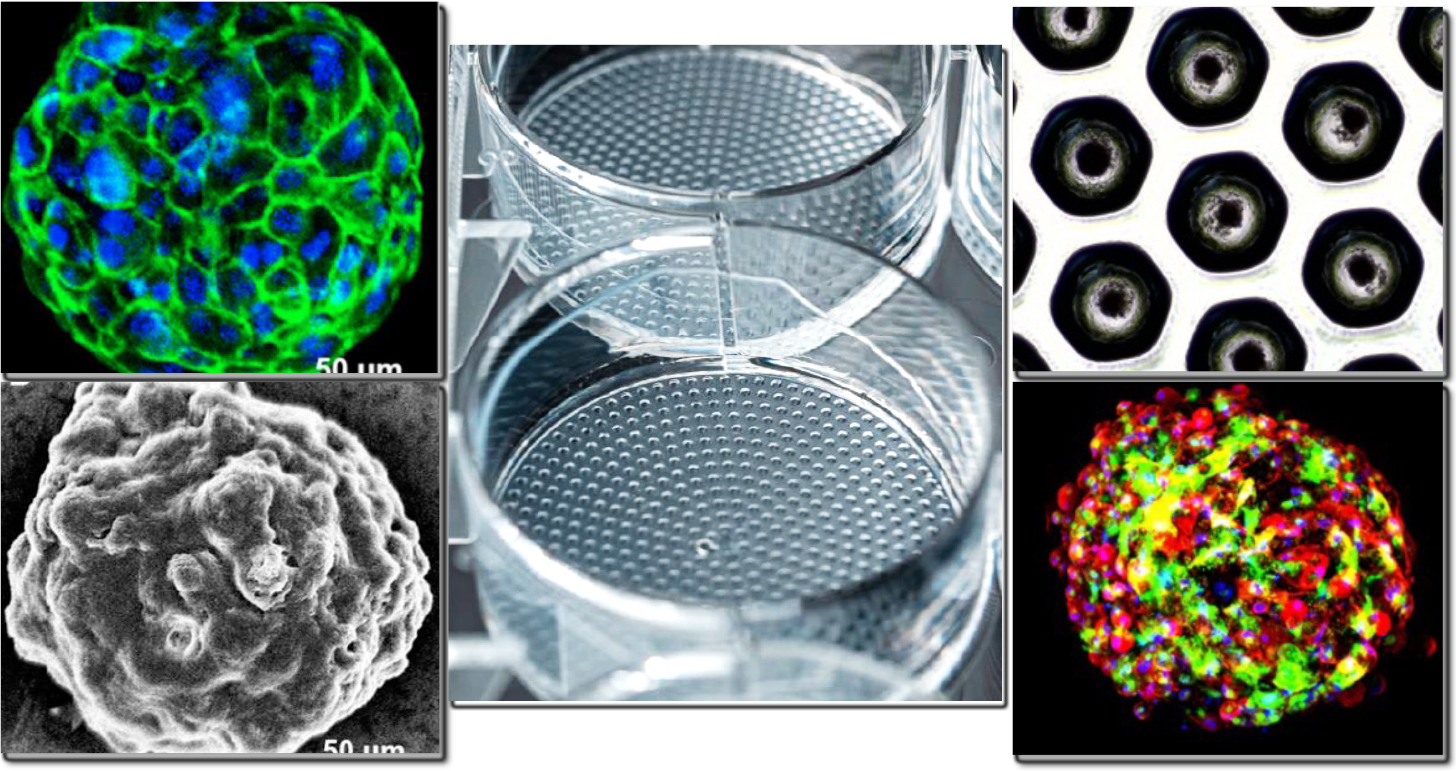
Organoids are small, three-dimensional tissue cultures derived from stem cells. They are capable of self-renewal and self-organization and exhibit similar functionality to the tissue of origin. They can replicate much of the complexity of an organ, producing various types of cells.
Human organoids have been used to study a range of diseases, including infectious diseases, genetic disorders, and cancers. They provide a vital system for understanding human organ development and disease modeling.
Human organoids can also be used to screen for drug efficacy and toxicity directly. They have the potential to replace current animal models and human cell lines, which often have little resemblance to normal or diseased tissue. .
Currently, TriDix provides several types of organoids derived from patients including glioma, liver, and lung cancers.
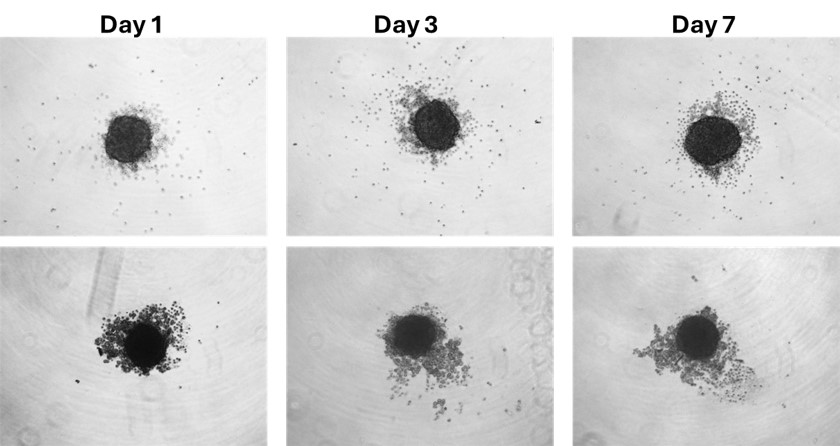
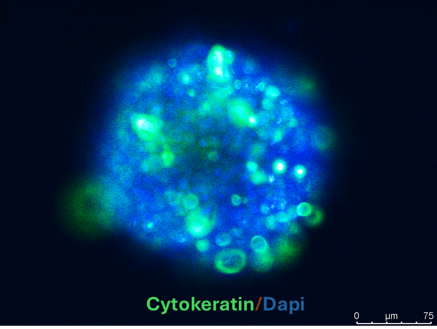
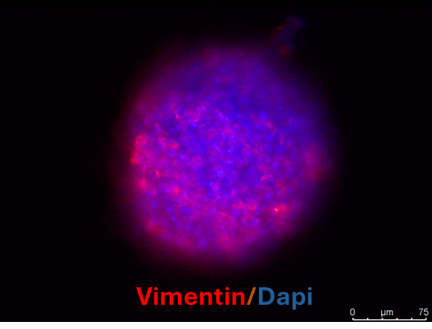
Human dermal spheroids are three-dimensional (3D) cell culture models made from human dermal cells, typically human dermal fibroblasts (HDFs) or a mixture of dermal cells like keratinocytes, endothelial cells, and immune cells. These spheroids mimic key aspects of the skin's structure and function, providing a more physiologically relevant model compared to traditional 2D cell cultures. Human dermal spheroids are used in a wide range of research areas, including skin biology, wound healing, fibrosis, drug testing, and tissue engineering.
 |
 |
| Biological | |
|---|---|
| Cell Type | Spheroid |
| Disease | Normal |
| Recommended Culture Condition | Dermal Spheroid Culture Kit (Cat # TDM-1014K) |
| Source Organ | Skin |
| Species | Human |
| Shipping and Handling | |
| Shipping Temperature | Room Temperature |
| Storage Temperature | 37°C |